Canbench Gets Smarter: New Release Spots What Really Matters
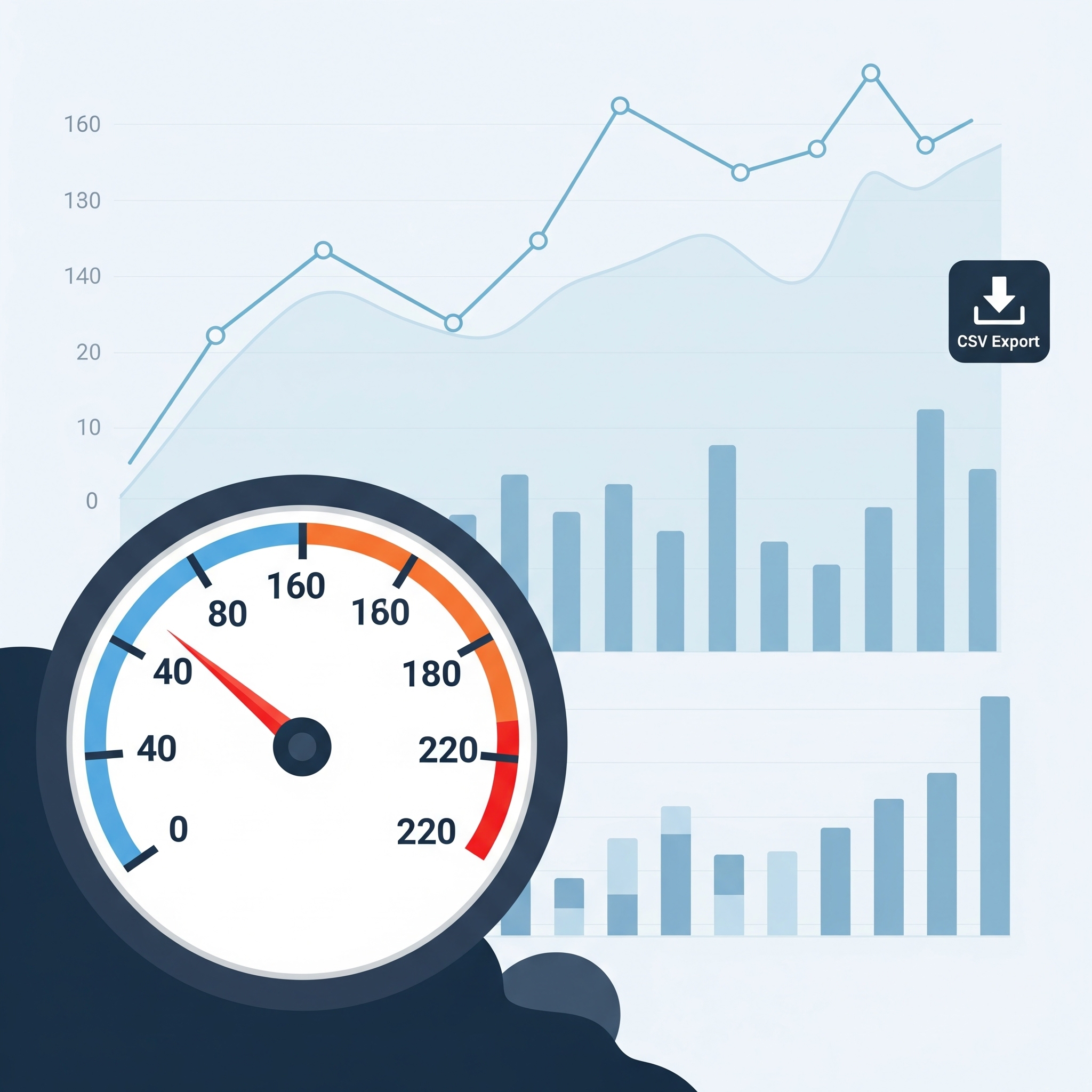
Canbench has just levelled up. After a series of behind-the-scenes improvements, the popular tool for measuring project performance on the Internet Computer has released version 0.2.0. The new update brings a clearer view of what’s changing, what’s working, and what needs attention. Most importantly, it helps people make sense of their data without needing to sift through endless lines of results.
The update follows a real issue spotted in a project that runs over 100 tests. With that many benchmarks being tracked, the old setup just dumped result after result, making it hard to see the bigger picture. So the team behind Canbench set out to fix that.
One of the first things users will notice is that the output is now far less cluttered. If you don’t need to see every single result, there’s a simple option to hide them. Instead, Canbench now offers a summary that shows you what actually changed — improvements, slowdowns, and things that stayed the same. It even breaks down the size of those changes so you can see how big or small the impact is.
There’s also a new table that highlights the 50 biggest changes, so if you’re short on time, you’ll know exactly where to look first. Whether you’re trying to improve speed, reduce memory use, or just make sure nothing has gone backwards, this summary makes the job quicker and easier.
For those who like to get hands-on with their data, Canbench now lets you export everything into a spreadsheet. This means you can sort, filter or share the results however you like — a big help for teams working across time zones or departments. The data file is even saved alongside your usual project checks so it’s always easy to find.
There’s been an improvement to how Canbench works with online code platforms, too. When new work is submitted, Canbench now posts a clear, up-to-date report showing what the tests revealed. It includes a timestamp and a version label, so everyone on the team knows how fresh the information is. The full spreadsheet file is attached as well, making it easier to share and double-check.
Now to the one thing users will need to be aware of — this update changes the way one part of Canbench’s system works. There’s a new feature that counts how often a test is being run. This is helpful in spotting if a small, fast task is being repeated so often that it becomes a problem. That said, this kind of tracking can slightly slow things down in performance-heavy areas, so it’s worth checking that it isn’t throwing off results.
If you’re using Canbench already, upgrading is straightforward. Just install the new version, update your testing scripts to include the improved report format, and make sure your team is working with the same version to avoid any mismatches. If your team compares reports between branches of a project, just be aware there might be a one-time glitch when switching over — but that clears up as soon as everyone is using the latest version.
This latest release of Canbench doesn’t try to impress with complexity. Instead, it offers a sharper view of what’s really going on behind the scenes. It helps teams spot performance dips before they become headaches and lets them measure real progress with confidence.
With better summaries, clearer insights, and easy data sharing, version 0.2.0 of Canbench puts the focus back where it belongs — on the quality of the work being done. For teams working on performance and stability, it’s one less thing to wrestle with.
The update might not scream for attention, but its value will be felt in fewer missed problems, cleaner reports, and better decisions. Sometimes, less noise says more.
Dear Reader,
Ledger Life is an independent platform dedicated to covering the Internet Computer (ICP) ecosystem and beyond. We focus on real stories, builder updates, project launches, and the quiet innovations that often get missed.
We’re not backed by sponsors. We rely on readers like you.
If you find value in what we publish—whether it’s deep dives into dApps, explainers on decentralised tech, or just keeping track of what’s moving in Web3—please consider making a donation. It helps us cover costs, stay consistent, and remain truly independent.
Your support goes a long way.
🧠 ICP Principal: ins6i-d53ug-zxmgh-qvum3-r3pvl-ufcvu-bdyon-ovzdy-d26k3-lgq2v-3qe
🧾 ICP Address: f8deb966878f8b83204b251d5d799e0345ea72b8e62e8cf9da8d8830e1b3b05f
🪙 BTC Wallet: bc1pp5kuez9r2atdmrp4jmu6fxersny4uhnaxyrxau4dg7365je8sy2q9zff6p
Every contribution helps keep the lights on, the stories flowing, and the crypto clutter out.
Thank you for reading, sharing, and being part of this experiment in decentralised media.
—Team Ledger Life