Proposal Seeks Oxford-Style Debate to Cool ICP Governance Disputes
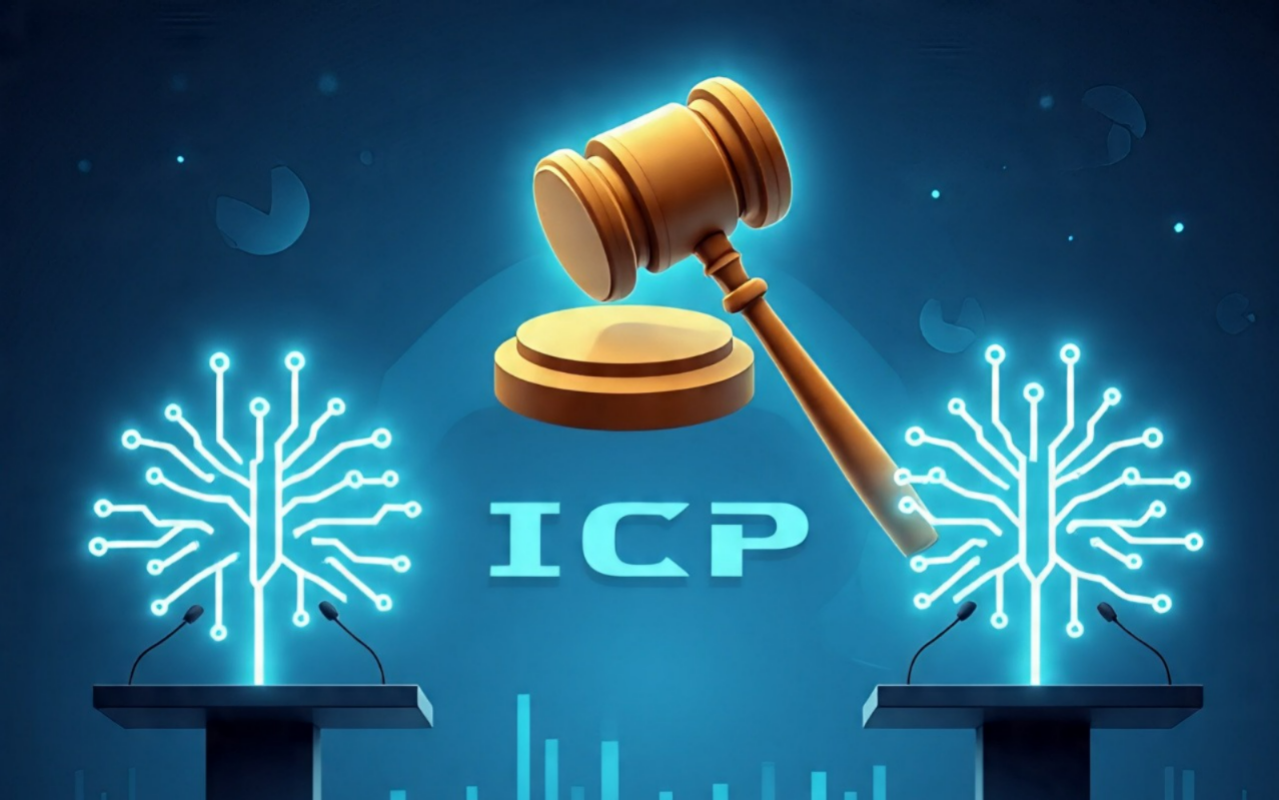
When online arguments stretch for hundreds of posts without resolution, they risk exhausting even the most committed community members. That is the concern driving a new proposal from Dexter, an active voice within the Internet Computer (ICP) ecosystem, who has suggested creating an “0xFord Debate” to channel disagreements into a more structured format.

The idea is straightforward: instead of letting disputes drag on through sprawling forum threads, participants would take part in moderated Oxford-style debates with evidence-based arguments and clear motions. After each debate, a poll among recognised “Known Neurons” would decide which side made the stronger case. The votes would not be binding but would carry the expectation that the matter should then be put to rest.

The motivation comes from months of tension across discussions such as the “Voting Neuron Grants – Season 2” thread, where criticism of grant allocations and governance processes often tipped into accusations of bias, fraud or self-interest. While the passion behind these debates reflects how seriously participants take ICP’s future, Dexter argues that the constant friction risks diverting attention away from building technology and growing adoption.

Four motions have been drafted, each mirroring points repeatedly raised on the forum. They cover concerns about DFINITY’s role in Voting Neuron Grants, whether the Service Nervous System launch process enables abuse, the level of decentralisation among node providers, and whether grants themselves encourage genuine participation or entrench vested interests.

The proposal sets out a clear structure: timed opening statements, arguments backed by verifiable evidence, rebuttals, and closing remarks. Debate sessions would be held virtually, possibly livestreamed, and moderated to ensure civility. Participants are asked to sign an agreement committing to good-faith engagement and to respect the outcomes.

The initiative has already highlighted the range of perspectives in the community. Some teams have accused DFINITY of steering outcomes by selectively adopting or abstaining from votes, while others argue those decisions are within the rules and necessary to avoid power concentration. Investigations into certain project launches have revealed suspicious activity, prompting calls for reform, yet defenders point to corrective measures and lessons already learned. Node centralisation, grant structures and accusations of self-interest round out a complex web of issues that continue to resurface.

By putting these questions into a structured debate, Dexter hopes the community can separate claims from counter-claims more effectively. The approach borrows from traditions of academic and parliamentary argument, where opposing sides are given equal opportunity to set out their case under agreed rules. The goal, he writes, is not to prolong the disputes but to bring clarity, encourage accountability and allow participants to refocus on the wider mission of building a decentralised and scalable network.

It remains to be seen how widely the proposal will be adopted. Some contributors may welcome the chance to clear the air through a formal process, while others could remain sceptical about whether such debates can truly resolve issues of trust and governance. The ultimate measure of success will likely be whether participants honour the commitment to stop revisiting topics once debated.

What is clear is that the ICP community is wrestling with both the opportunities and the growing pains of decentralised governance. The 0xFord Debate proposal does not claim to offer a final answer, but it is an attempt to shift energy away from personal disputes and towards collective progress.


Dear Reader,

Ledger Life is an independent platform dedicated to covering the Internet Computer (ICP) ecosystem and beyond. We focus on real stories, builder updates, project launches, and the quiet innovations that often get missed.

We’re not backed by sponsors. We rely on readers like you.

If you find value in what we publish—whether it’s deep dives into dApps, explainers on decentralised tech, or just keeping track of what’s moving in Web3—please consider making a donation. It helps us cover costs, stay consistent, and remain truly independent.

Your support goes a long way.

🧠 ICP Principal: ins6i-d53ug-zxmgh-qvum3-r3pvl-ufcvu-bdyon-ovzdy-d26k3-lgq2v-3qe

🧾 ICP Address: f8deb966878f8b83204b251d5d799e0345ea72b8e62e8cf9da8d8830e1b3b05f

🪙 BTC Wallet: bc1pp5kuez9r2atdmrp4jmu6fxersny4uhnaxyrxau4dg7365je8sy2q9zff6p

Every contribution helps keep the lights on, the stories flowing, and the crypto clutter out.

Thank you for reading, sharing, and being part of this experiment in decentralised media.
—Team Ledger Life

LEAVE A REPLY

Please enter your comment!
Please enter your name here

More like this

Traders Watch ICP Open Interest and Short Positions Climb...

Internet Computer (ICP) is seeing a sharp rise in derivatives activity on Binance, with both open interest...

$MENES Token Launch Goes Live on ICP With Staking-Led...

The $MENES token launch is now live on the Internet Computer blockchain, with the sale scheduled to...

ODIN•FUN frames fair token launches as part of Bitcoin’s...

ODIN•FUN is positioning itself as a platform built around one straightforward idea: token launches on Bitcoin should...

When online arguments stretch for hundreds of posts without resolution, they risk exhausting even the most committed community members. That is the concern driving a new proposal from Dexter, an active voice within the Internet Computer (ICP) ecosystem, who has suggested creating an “0xFord Debate” to channel disagreements into a more structured format.

The idea is straightforward: instead of letting disputes drag on through sprawling forum threads, participants would take part in moderated Oxford-style debates with evidence-based arguments and clear motions. After each debate, a poll among recognised “Known Neurons” would decide which side made the stronger case. The votes would not be binding but would carry the expectation that the matter should then be put to rest.

The motivation comes from months of tension across discussions such as the “Voting Neuron Grants – Season 2” thread, where criticism of grant allocations and governance processes often tipped into accusations of bias, fraud or self-interest. While the passion behind these debates reflects how seriously participants take ICP’s future, Dexter argues that the constant friction risks diverting attention away from building technology and growing adoption.

Four motions have been drafted, each mirroring points repeatedly raised on the forum. They cover concerns about DFINITY’s role in Voting Neuron Grants, whether the Service Nervous System launch process enables abuse, the level of decentralisation among node providers, and whether grants themselves encourage genuine participation or entrench vested interests.

The proposal sets out a clear structure: timed opening statements, arguments backed by verifiable evidence, rebuttals, and closing remarks. Debate sessions would be held virtually, possibly livestreamed, and moderated to ensure civility. Participants are asked to sign an agreement committing to good-faith engagement and to respect the outcomes.

The initiative has already highlighted the range of perspectives in the community. Some teams have accused DFINITY of steering outcomes by selectively adopting or abstaining from votes, while others argue those decisions are within the rules and necessary to avoid power concentration. Investigations into certain project launches have revealed suspicious activity, prompting calls for reform, yet defenders point to corrective measures and lessons already learned. Node centralisation, grant structures and accusations of self-interest round out a complex web of issues that continue to resurface.

By putting these questions into a structured debate, Dexter hopes the community can separate claims from counter-claims more effectively. The approach borrows from traditions of academic and parliamentary argument, where opposing sides are given equal opportunity to set out their case under agreed rules. The goal, he writes, is not to prolong the disputes but to bring clarity, encourage accountability and allow participants to refocus on the wider mission of building a decentralised and scalable network.

It remains to be seen how widely the proposal will be adopted. Some contributors may welcome the chance to clear the air through a formal process, while others could remain sceptical about whether such debates can truly resolve issues of trust and governance. The ultimate measure of success will likely be whether participants honour the commitment to stop revisiting topics once debated.

What is clear is that the ICP community is wrestling with both the opportunities and the growing pains of decentralised governance. The 0xFord Debate proposal does not claim to offer a final answer, but it is an attempt to shift energy away from personal disputes and towards collective progress.


Dear Reader,

Ledger Life is an independent platform dedicated to covering the Internet Computer (ICP) ecosystem and beyond. We focus on real stories, builder updates, project launches, and the quiet innovations that often get missed.

We’re not backed by sponsors. We rely on readers like you.

If you find value in what we publish—whether it’s deep dives into dApps, explainers on decentralised tech, or just keeping track of what’s moving in Web3—please consider making a donation. It helps us cover costs, stay consistent, and remain truly independent.

Your support goes a long way.

🧠 ICP Principal: ins6i-d53ug-zxmgh-qvum3-r3pvl-ufcvu-bdyon-ovzdy-d26k3-lgq2v-3qe

🧾 ICP Address: f8deb966878f8b83204b251d5d799e0345ea72b8e62e8cf9da8d8830e1b3b05f

🪙 BTC Wallet: bc1pp5kuez9r2atdmrp4jmu6fxersny4uhnaxyrxau4dg7365je8sy2q9zff6p

Every contribution helps keep the lights on, the stories flowing, and the crypto clutter out.

Thank you for reading, sharing, and being part of this experiment in decentralised media.
—Team Ledger Life

LEAVE A REPLY

Please enter your comment!
Please enter your name here

More like this

Traders Watch ICP Open Interest and Short Positions Climb...

Internet Computer (ICP) is seeing a sharp rise in derivatives activity on Binance, with both open interest...

$MENES Token Launch Goes Live on ICP With Staking-Led...

The $MENES token launch is now live on the Internet Computer blockchain, with the sale scheduled to...

ODIN•FUN frames fair token launches as part of Bitcoin’s...

ODIN•FUN is positioning itself as a platform built around one straightforward idea: token launches on Bitcoin should...

When online arguments stretch for hundreds of posts without resolution, they risk exhausting even the most committed community members. That is the concern driving a new proposal from Dexter, an active voice within the Internet Computer (ICP) ecosystem, who has suggested creating an “0xFord Debate” to channel disagreements into a more structured format.

The idea is straightforward: instead of letting disputes drag on through sprawling forum threads, participants would take part in moderated Oxford-style debates with evidence-based arguments and clear motions. After each debate, a poll among recognised “Known Neurons” would decide which side made the stronger case. The votes would not be binding but would carry the expectation that the matter should then be put to rest.

The motivation comes from months of tension across discussions such as the “Voting Neuron Grants – Season 2” thread, where criticism of grant allocations and governance processes often tipped into accusations of bias, fraud or self-interest. While the passion behind these debates reflects how seriously participants take ICP’s future, Dexter argues that the constant friction risks diverting attention away from building technology and growing adoption.

Four motions have been drafted, each mirroring points repeatedly raised on the forum. They cover concerns about DFINITY’s role in Voting Neuron Grants, whether the Service Nervous System launch process enables abuse, the level of decentralisation among node providers, and whether grants themselves encourage genuine participation or entrench vested interests.

The proposal sets out a clear structure: timed opening statements, arguments backed by verifiable evidence, rebuttals, and closing remarks. Debate sessions would be held virtually, possibly livestreamed, and moderated to ensure civility. Participants are asked to sign an agreement committing to good-faith engagement and to respect the outcomes.

The initiative has already highlighted the range of perspectives in the community. Some teams have accused DFINITY of steering outcomes by selectively adopting or abstaining from votes, while others argue those decisions are within the rules and necessary to avoid power concentration. Investigations into certain project launches have revealed suspicious activity, prompting calls for reform, yet defenders point to corrective measures and lessons already learned. Node centralisation, grant structures and accusations of self-interest round out a complex web of issues that continue to resurface.

By putting these questions into a structured debate, Dexter hopes the community can separate claims from counter-claims more effectively. The approach borrows from traditions of academic and parliamentary argument, where opposing sides are given equal opportunity to set out their case under agreed rules. The goal, he writes, is not to prolong the disputes but to bring clarity, encourage accountability and allow participants to refocus on the wider mission of building a decentralised and scalable network.

It remains to be seen how widely the proposal will be adopted. Some contributors may welcome the chance to clear the air through a formal process, while others could remain sceptical about whether such debates can truly resolve issues of trust and governance. The ultimate measure of success will likely be whether participants honour the commitment to stop revisiting topics once debated.

What is clear is that the ICP community is wrestling with both the opportunities and the growing pains of decentralised governance. The 0xFord Debate proposal does not claim to offer a final answer, but it is an attempt to shift energy away from personal disputes and towards collective progress.


Dear Reader,

Ledger Life is an independent platform dedicated to covering the Internet Computer (ICP) ecosystem and beyond. We focus on real stories, builder updates, project launches, and the quiet innovations that often get missed.

We’re not backed by sponsors. We rely on readers like you.

If you find value in what we publish—whether it’s deep dives into dApps, explainers on decentralised tech, or just keeping track of what’s moving in Web3—please consider making a donation. It helps us cover costs, stay consistent, and remain truly independent.

Your support goes a long way.

🧠 ICP Principal: ins6i-d53ug-zxmgh-qvum3-r3pvl-ufcvu-bdyon-ovzdy-d26k3-lgq2v-3qe

🧾 ICP Address: f8deb966878f8b83204b251d5d799e0345ea72b8e62e8cf9da8d8830e1b3b05f

🪙 BTC Wallet: bc1pp5kuez9r2atdmrp4jmu6fxersny4uhnaxyrxau4dg7365je8sy2q9zff6p

Every contribution helps keep the lights on, the stories flowing, and the crypto clutter out.

Thank you for reading, sharing, and being part of this experiment in decentralised media.
—Team Ledger Life

LEAVE A REPLY

Please enter your comment!
Please enter your name here

More like this

Traders Watch ICP Open Interest and Short Positions Climb...

Internet Computer (ICP) is seeing a sharp rise in derivatives activity on Binance, with both open interest...

$MENES Token Launch Goes Live on ICP With Staking-Led...

The $MENES token launch is now live on the Internet Computer blockchain, with the sale scheduled to...

ODIN•FUN frames fair token launches as part of Bitcoin’s...

ODIN•FUN is positioning itself as a platform built around one straightforward idea: token launches on Bitcoin should...

When online arguments stretch for hundreds of posts without resolution, they risk exhausting even the most committed community members. That is the concern driving a new proposal from Dexter, an active voice within the Internet Computer (ICP) ecosystem, who has suggested creating an “0xFord Debate” to channel disagreements into a more structured format.

The idea is straightforward: instead of letting disputes drag on through sprawling forum threads, participants would take part in moderated Oxford-style debates with evidence-based arguments and clear motions. After each debate, a poll among recognised “Known Neurons” would decide which side made the stronger case. The votes would not be binding but would carry the expectation that the matter should then be put to rest.

The motivation comes from months of tension across discussions such as the “Voting Neuron Grants – Season 2” thread, where criticism of grant allocations and governance processes often tipped into accusations of bias, fraud or self-interest. While the passion behind these debates reflects how seriously participants take ICP’s future, Dexter argues that the constant friction risks diverting attention away from building technology and growing adoption.

Four motions have been drafted, each mirroring points repeatedly raised on the forum. They cover concerns about DFINITY’s role in Voting Neuron Grants, whether the Service Nervous System launch process enables abuse, the level of decentralisation among node providers, and whether grants themselves encourage genuine participation or entrench vested interests.

The proposal sets out a clear structure: timed opening statements, arguments backed by verifiable evidence, rebuttals, and closing remarks. Debate sessions would be held virtually, possibly livestreamed, and moderated to ensure civility. Participants are asked to sign an agreement committing to good-faith engagement and to respect the outcomes.

The initiative has already highlighted the range of perspectives in the community. Some teams have accused DFINITY of steering outcomes by selectively adopting or abstaining from votes, while others argue those decisions are within the rules and necessary to avoid power concentration. Investigations into certain project launches have revealed suspicious activity, prompting calls for reform, yet defenders point to corrective measures and lessons already learned. Node centralisation, grant structures and accusations of self-interest round out a complex web of issues that continue to resurface.

By putting these questions into a structured debate, Dexter hopes the community can separate claims from counter-claims more effectively. The approach borrows from traditions of academic and parliamentary argument, where opposing sides are given equal opportunity to set out their case under agreed rules. The goal, he writes, is not to prolong the disputes but to bring clarity, encourage accountability and allow participants to refocus on the wider mission of building a decentralised and scalable network.

It remains to be seen how widely the proposal will be adopted. Some contributors may welcome the chance to clear the air through a formal process, while others could remain sceptical about whether such debates can truly resolve issues of trust and governance. The ultimate measure of success will likely be whether participants honour the commitment to stop revisiting topics once debated.

What is clear is that the ICP community is wrestling with both the opportunities and the growing pains of decentralised governance. The 0xFord Debate proposal does not claim to offer a final answer, but it is an attempt to shift energy away from personal disputes and towards collective progress.


Dear Reader,

Ledger Life is an independent platform dedicated to covering the Internet Computer (ICP) ecosystem and beyond. We focus on real stories, builder updates, project launches, and the quiet innovations that often get missed.

We’re not backed by sponsors. We rely on readers like you.

If you find value in what we publish—whether it’s deep dives into dApps, explainers on decentralised tech, or just keeping track of what’s moving in Web3—please consider making a donation. It helps us cover costs, stay consistent, and remain truly independent.

Your support goes a long way.

🧠 ICP Principal: ins6i-d53ug-zxmgh-qvum3-r3pvl-ufcvu-bdyon-ovzdy-d26k3-lgq2v-3qe

🧾 ICP Address: f8deb966878f8b83204b251d5d799e0345ea72b8e62e8cf9da8d8830e1b3b05f

🪙 BTC Wallet: bc1pp5kuez9r2atdmrp4jmu6fxersny4uhnaxyrxau4dg7365je8sy2q9zff6p

Every contribution helps keep the lights on, the stories flowing, and the crypto clutter out.

Thank you for reading, sharing, and being part of this experiment in decentralised media.
—Team Ledger Life

LEAVE A REPLY

Please enter your comment!
Please enter your name here

More like this

Traders Watch ICP Open Interest and Short Positions Climb...

Internet Computer (ICP) is seeing a sharp rise in derivatives activity on Binance, with both open interest...

$MENES Token Launch Goes Live on ICP With Staking-Led...

The $MENES token launch is now live on the Internet Computer blockchain, with the sale scheduled to...

ODIN•FUN frames fair token launches as part of Bitcoin’s...

ODIN•FUN is positioning itself as a platform built around one straightforward idea: token launches on Bitcoin should...